
special glass types
Whether you’re a professional contractor, a DIY enthusiast, or someone who simply loves working on precise projects, the 90-degree angle ruler is an essential tool in your toolkit. This tool, often called the right angle ruler tool , is crucial in ensuring that your workpieces are square, aligned, and meet high standards of accuracy. The importance of having a reliable 90-degree angle ruler cannot be overstated. It guarantees precision when measuring, cutting, or constructing, making sure that every angle is exactly 90 degrees. Let's dive deeper into why large right angle rulers and other similar tools are perfect for anyone looking to make accurate measurements and achieve flawless results. Why You Need a 90 Degree Angle Ruler A 90-degree angle ruler is indispensable when working with angles that need to be precisely aligned. From woodworking to metalworking, this tool provides the necessary guidance to ensure that every angle is perfect. Whether you're building furniture, assembling frames, or constructing structures, a 90-degree angle ruler helps you measure and mark with precision. The primary function of a 90-degree angle ruler is to provide a clear, straight edge for creating perfect right angles. This is crucial when you need to join two pieces of material at a 90-degree angle, such as during framing, tiling, or cabinetry work. Without a reliable right angle ruler tool , the risk of imprecision can lead to misaligned or poorly-fitted pieces, which can compromise the structural integrity of your project. Using a 90-degree angle ruler can save you time and money by eliminating errors. With its accuracy, you can ensure that your project turns out exactly as planned, without the need for constant rework. In addition, the durability and reliability of a good 90-degree angle ruler allow you to use it on various materials, from wood and metal to stone and tile, ensuring that it meets all your professional or personal needs. Right Angle Ruler Tool: The Must-Have for Every Craftsman A right angle ruler tool is a versatile measuring instrument designed to create and check right angles quickly and accurately. Whether you're working on precision carpentry, masonry, or plumbing, this tool is a crucial part of your work routine. The right angle ruler tool ensures that you get the correct angles every time, making your work easier and more efficient. This tool’s design is optimized to be ergonomic and easy to use, making it perfect for both professionals and hobbyists alike. A right angle ruler tool usually comes with markings for different measurements, making it even easier to get the job done without needing to refer to a separate measuring tape or ruler. This makes the tool especially useful in environments where speed and accuracy are crucial, like in the construction or manufacturing industries. For anyone involved in any craft that requires precision – from creating custom furniture to building structures or even doing home improvements – a right angle ruler tool is an investment that guarantees excellent results. Whether you're laying tiles, framing walls, or constructing intricate woodwork, this tool is an absolute must-have for anyone who values precision. Large Right Angle Ruler: For Bigger Projects For those working on larger-scale projects or needing more reach, a large right angle ruler is an excellent addition to your toolkit. Large right angle rulers offer the same accuracy and ease of use as their smaller counterparts, but with an extended size to accommodate bigger materials or larger designs. Whether you're working on building large furniture pieces, framing a room, or designing architectural layouts, the large right angle ruler ensures that all your angles are perfectly squared, even on large surfaces. The advantage of using a large right angle ruler lies in its ability to cover more ground. This tool provides greater flexibility for marking and measuring larger projects where a smaller ruler might not be sufficient. It also allows for smoother, more accurate marking over long spans, making sure that your project remains straight and aligned from start to finish. If you're a professional builder, designer, or carpenter, the large right angle ruler will drastically improve the efficiency and precision of your work. It helps reduce errors in larger projects where precision is key to ensuring that everything fits together perfectly. 90 Degree Angle Ruler: Durable and Precise Measurement Tool The 90-degree angle ruler is not just about functionality; it is also about durability. A well-made 90-degree angle ruler can last for years, even under heavy usage. The 90-degree angle ruler is typically made from high-quality materials like magnesium aluminum alloy , which offers excellent strength and resistance to wear. This means your tool will remain accurate and undamaged even after prolonged use. The physical properties of magnesium aluminum alloy – with its high tensile strength and elongation capabilities – make it an ideal material for crafting measuring tools like the 90-degree angle ruler . These rulers are designed to handle demanding tasks in mechanical industries, ensuring that even with heavy-duty use, they maintain their precision. The 90-degree angle ruler provides accurate measurements without deforming, making it an excellent tool for applications requiring extreme precision. Additionally, the use of magnesium aluminum alloy allows these rulers to be lightweight and easy to handle, reducing user fatigue. This makes the 90-degree angle ruler even more desirable, as it combines durability with ease of use for both professionals and DIYers. FAQs About 90 Degree Angle Rulers What is the difference between a 90-degree angle ruler and a regular straight ruler? A 90-degree angle ruler is designed specifically to measure and create perfect right angles, while a regular straight ruler is simply used for measuring lengths. The 90-degree angle ruler ensures that your workpieces are perfectly squared, which is crucial for certain applications like framing and cabinetry. How accurate are 90-degree angle rulers? 90-degree angle rulers are designed to be highly accurate, often manufactured from high-strength materials like magnesium aluminum alloy to ensure precision. The accuracy of the 90-degree angle ruler is ideal for applications requiring precise angles, such as construction, metalworking, and woodworking. Can I use a 90-degree angle ruler for marking angles on large surfaces? Yes, especially with a large right angle ruler , you can easily mark angles on large surfaces. These rulers are specifically designed to handle bigger materials and provide accurate measurements over larger spans. Are right angle ruler tools suitable for DIY projects? Absolutely! Right angle ruler tools are highly versatile and can be used for both professional and DIY projects. Whether you're working on home improvements, furniture, or simple crafts, the right angle ruler tool will ensure that your angles are precise. Where can I buy a high-quality 90-degree angle ruler? You can find a wide range of 90-degree angle rulers for sale at our website. We offer high-quality tools made from durable materials like magnesium aluminum alloy that guarantee long-lasting accuracy. Visit our site to explore our products and make your purchase today! In conclusion, a 90-degree angle ruler , whether it's a right angle ruler tool , a large right angle ruler , or a high-quality 90-degree angle ruler made from magnesium aluminum alloy , is a must-have tool for anyone seeking precision in their work. With its durable construction, accurate measurements, and versatility, this tool will save you time and reduce errors in your projects. Don't wait any longer – visit our website today to get the best 90-degree angle rulers for your needs and elevate your craftsmanship!
about
special glass types
Understanding Level Suppliers in Supply Chain Management In today’s globalized economy, the concept of suppliers plays a crucial role in the success and efficiency of any business. Among the various categories of suppliers, level suppliers are particularly significant, as they represent different tiers in the supply chain. Understanding level suppliers, their roles, and how they impact businesses is essential for anyone involved in supply chain management. What are Level Suppliers? Level suppliers are categorized based on their proximity to the manufacturer or end-user in the supply chain. They are often classified into three levels 1. First-Tier Suppliers These are direct suppliers who provide materials or components to manufacturers. For instance, if a car manufacturer sources tires directly from a tire manufacturer, the tire supplier is considered a first-tier supplier. 2. Second-Tier Suppliers These suppliers provide products or materials to first-tier suppliers. Using the car manufacturing example, if the tire manufacturer sources rubber from a rubber processor, that rubber processor is a second-tier supplier. 3. Third-Tier Suppliers Often further removed from the end manufacturer, these suppliers provide raw materials or components to second-tier suppliers. In our example, if the rubber processor sources natural rubber from plantations, then those plantations constitute third-tier suppliers. This tiered system helps businesses manage their relationships with suppliers more effectively, allowing them to understand the complexities of their supply chains and the interconnections between different supplier levels. Importance of Level Suppliers 1. Cost Management By identifying and managing levels of suppliers, businesses can better control costs. First-tier suppliers may charge more for their goods, but they often provide higher quality or more specialized products. By examining the entire supply chain, companies can find ways to reduce costs without sacrificing quality. level supplier 2. Quality Assurance The level of a supplier often directly impacts the quality of the finished product. Manufacturers must ensure that not only first-tier suppliers meet quality standards but also that second- and third-tier suppliers do as well. This can be achieved through supplier audits and assessments, ensuring that quality is maintained throughout the supply chain. 3. Risk Management Understanding supplier levels aids in risk management. Disruptions can occur at any level of the supply chain, so being aware of the entire network of suppliers helps businesses prepare for potential issues. For example, if a natural disaster impacts third-tier suppliers, it may affect first-tier suppliers, and consequently, the manufacturer. Being aware of these levels allows companies to diversify their supplier base, reducing dependency on single suppliers and mitigating risk. 4. Improving Collaboration Effective collaboration with suppliers at all levels can lead to innovation and improved processes. By fostering strong relationships with first, second, and third-tier suppliers, companies can encourage new ideas and solutions, leading to enhanced products and services. 5. Sustainability As sustainability becomes increasingly important in today’s market, companies must consider the practices of their suppliers at all levels. Understanding where materials come from allows firms to ensure they are sourcing sustainably, thereby improving their overall environmental impact. Challenges in Managing Level Suppliers While the benefits of managing level suppliers are numerous, challenges do exist. Communication can become complex as the number of supplier tiers increases, and ensuring compliance with standards at all levels can be difficult. Additionally, businesses often struggle with transparency in their supply chains, making it hard to track the origins of materials and the practices of all suppliers involved. Moreover, geopolitical issues, trade policies, and fluctuating market conditions can further complicate supplier relationships. Adopting technologies such as blockchain can help improve transparency and traceability in the supply chain, but these innovations also require investment and training. Conclusion In conclusion, understanding level suppliers is vital for creating an efficient and resilient supply chain. By categorizing suppliers, businesses can better manage costs, quality, risks, and sustainability practices. While challenges exist, the benefits of effectively managing level suppliers far outweigh the potential drawbacks. As the business landscape continues to evolve, organizations that prioritize and streamline their relationships with suppliers at all levels will be better positioned to thrive in an increasingly competitive environment.
-

High quality industrial productsagement

High quality industrial products
View Details -

Meet the diverse needs of customers

Meet the diverse needs of customers
View Details -

Strict quality control

Strict quality control
View Details -

Top raw materials

Top raw materials
View Details -

Trusted supplier

Trusted supplier
View Details
Our application

news and information
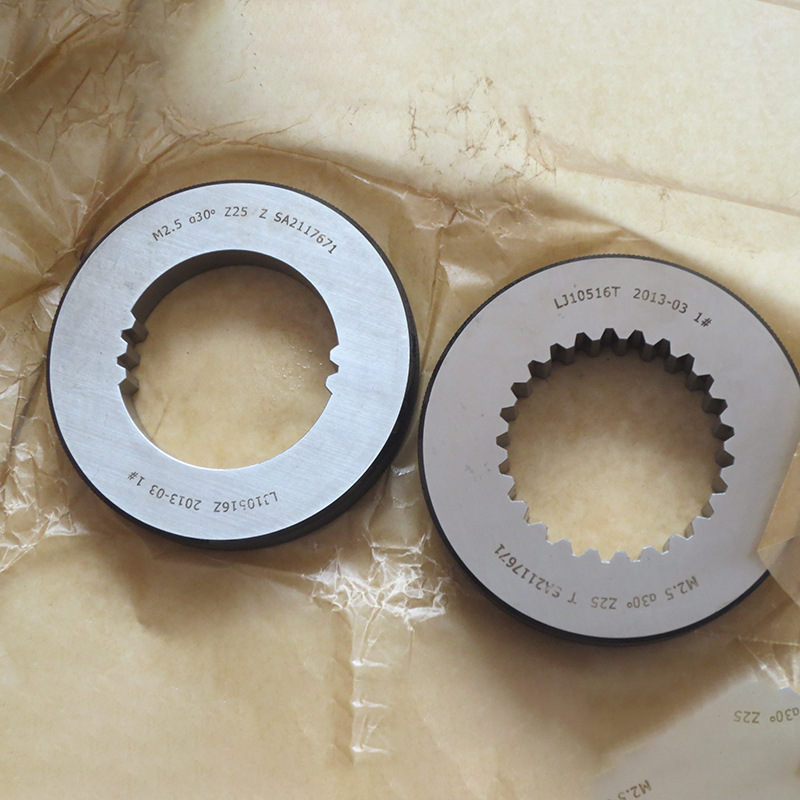
Varausvärelypadin valmistajat ja niiden tarjoamat ratkaisut teollisuudelle
Tärinäpadsien valmistajat Innovaatioita ja laadukkaita ratkaisuja Tärinäpadsit ovat yhä tärkeämpiä e
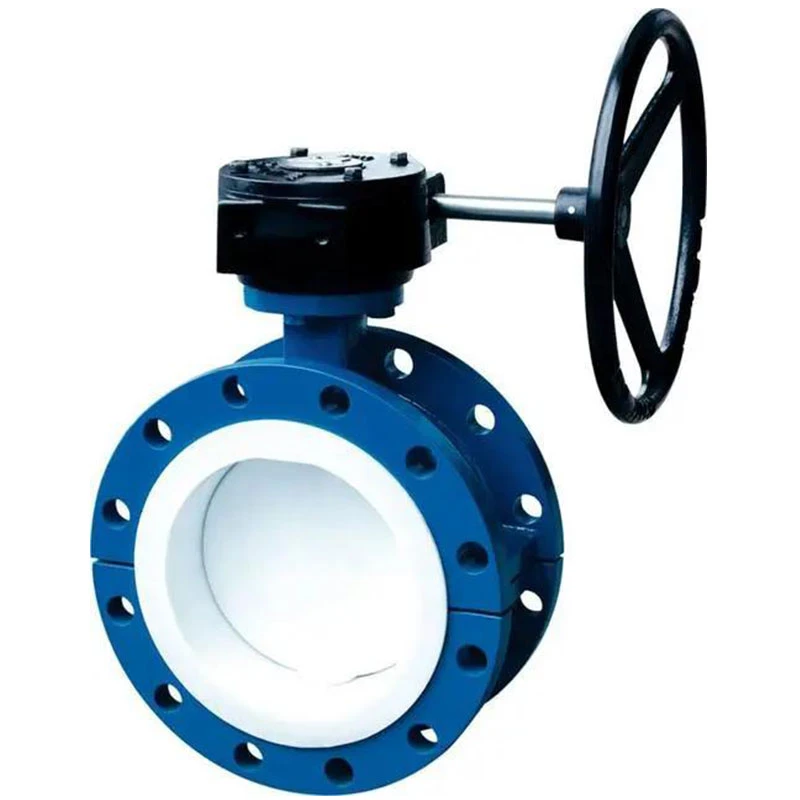
vedenpaineventtiili
Vesipaineventtiili Teho, Toiminta ja Käyttökohteet Vesipaineventtiili on olennainen osa monia vesijä
vibration damping pads for heavy machinery
Vibration Damping Pads for Heavy Machinery Enhancing Performance and Longevity In the world of heavy
 English